

How much is rock climbing? Rock climbing is an adventure sport that offers a unique sense of adrenaline, strength, and beauty. Whether it’s indoor or outdoor climbing, it’s a physically and mentally challenging activity that requires proper equipment, practice, and skill.
However, for many people, the cost of rock climbing can be a major barrier to entry. In this guide, we’ll break down the expenses of rock climbing, so you can know how much does rock climbing require finances?

- Breakdown of Rock Climbing Gear Expenses
- Local Rock Climbing Gym Average Cost
- How much is rock climbing gym membership cost?
- Trad climbing
- Bouldering: The Lowest Barrier to Entry
- What Gear is Needed for Climbing indoor?
- Climbing shoes
- How Much Does Rock Climbing Cost Outdoor?
- Belay Devices and Harness
- Indoor Climbing Gear Kit
- The Cheapest Way to Rock Climb for Recreation
- Optional Rock Climbing Cost
- Why is Rock Climbing Gyms Expensive?
- Conclusion
- FAQ
- Q: Is rock climbing affordable?
- Q: How much do you pay for rock climbing?
- Q: Is climbing an expensive sport?
- Q: Why is rock climbing expensive?
Breakdown of Rock Climbing Gear Expenses
The cost of rock climbing gear is an essential factor to consider when deciding to take up this sport.
The rock climbing gear you need can range from basic essentials such as a harness and belay device to more specialized equipment like quickdraws and cams for outdoor sport climbing. The type of climbing you choose, indoor or outdoor, and your level of experience will influence the gear you need and, in turn, the cost.
For indoor climbing, the basic gear required includes a harness, a belay device, and climbing shoes. If you are just starting out, you may be able to rent this gear from the gym, which can help keep costs low.
However, if you plan to climb regularly, investing in your own gear may be a better option. A full indoor climbing gear kit can cost between $200 to $500, depending on the quality and quantity of gear you choose.
Outdoor sport climbing requires additional gear such as quickdraws, slings, cams, and anchors. This gear can be more expensive than indoor gear, ranging from $500 to $1000 or more. Additionally, outdoor sport climbing may also require transportation and camping fees, which can add to the overall cost of the activity.
Choosing the right gear for your type of climbing and level of experience is essential for both your safety and enjoyment.
It’s important to consider the cost of gear, but also to make sure you have the right equipment for the type of climbing you plan to do. By taking the time to research and make informed choices, you can ensure that rock climbing is a cost-effective and enjoyable activity.
Local Rock Climbing Gym Average Cost
Local gym climbing centers offer a safe and controlled environment for beginner and experienced climbers alike. They provide access to climbing walls and routes, as well as a supportive community of climbers, making them a great place to start your climbing journey.
The average cost of a day pass at a local rock climbing gym is around $20, with discounts available for frequent climbers or members. This cost typically covers the use of the climbing facilities, gear rental, and staff supervision. Some gyms may also offer additional amenities, such as showers, lockers, and fitness equipment, which can add to the overall cost.
How much is rock climbing gym membership cost?
An indoor climbing gym membership can be a more cost-effective option for those who want to climb regularly and take advantage of the gym’s facilities and community. With a monthly membership, you have unlimited access to climbing facilities, gear rental, and staff supervision, allowing you to climb at your convenience.
The average monthly membership cost at a local gym climbing ranges from $50 to $150, depending on the gym’s location and amenities. Some gyms may offer premium services such as personal training, yoga classes, or equipment rental discounts, which can increase the monthly membership fee.
For those looking to save on climbing costs, some gym climbing centers offer packages for couples, families, or students. These packages can reduce the cost per person, making indoor climbing a more affordable and accessible activity for a wider range of people.
Additionally, some gyms offer discounted memberships for frequent climbers or those who sign up for a long-term commitment, making indoor gym climbing a cost-effective option for those who are passionate about the sport.

Trad climbing
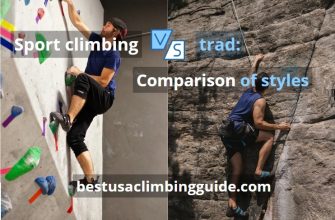
Trad climbing, short for traditional climbing, is a type of climbing that emphasizes adventure, exploration, and self-sufficiency. Unlike sport climbing, where fixed anchors and bolts are already in place for climbers to use, trad climbers place their own protective gear as they climb, building anchors and belays from the gear they carry with them.
This style of climbing requires a high level of knowledge and skill, as well as specialized gear, including camming devices, nuts, slings, and carabiners.
Trad climbing offers a unique sense of challenge and reward, as climbers must assess each pitch of the climb and plan their gear placement accordingly. This type of climbing also often takes climbers to remote and wild locations, where they can experience the beauty of nature and a sense of true adventure.
Bouldering: The Lowest Barrier to Entry
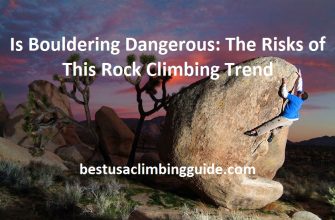
Bouldering is a popular and accessible form of climbing that is ideal for those looking to get into the sport without making a significant investment in gear. The focus is on climbing challenging boulder problems, which are usually only a few meters in height, using only your hands and feet to grip the rock.
Bouldering is also a great way to develop strength and technique, as you’ll be using your entire body to pull and balance yourself up the rock face. The lack of a harness or rope makes bouldering a more freeing and dynamic form of climbing, and it’s also a great way to build confidence and improve your problem-solving skills.
Whether you’re a seasoned climber or a complete beginner, bouldering is a fun and challenging way to experience the thrill of climbing.
What Gear is Needed for Climbing indoor?
To start climbing indoors, you’ll need a few basic climbing equipment:
- Climbing shoes – are a crucial piece of gear for climbing, as they provide the necessary grip and support for your feet while climbing.
- Harness – is an essential piece of gear that keeps you securely attached to the rope while climbing.
- Belay device – is a small mechanical tool that is used to control the rope while belaying, allowing you to safely lower or catch a climber.
- Chalk bag – is used to store and dispense chalk, which helps to keep hands dry and provides a better grip on the climbing holds.
- Carabiners – are metal loops with a gate that can be quickly opened and closed, and they are used to clip into quickdraws or anchors.
- Chalk – is a fine powder that is applied to hands to help improve grip on the climbing holds. Chalk can also be stored in a chalk bag to keep it from spilling.
Climbing shoes
When choosing a pair of climbing shoes, it’s important to consider the type of climbing you’ll be doing, as well as your skill level and personal comfort.
For beginner climbers, comfortable, all-around rock climbing shoes are usually sufficient.
More advanced climbers, who do lead climbing for example, may choose more specialized climbing shoes, such as downturned or aggressively-shaped climbing shoes for overhanging routes, or a slipper for maximum sensitivity on technical routes.

How Much Does Rock Climbing Cost Outdoor?
Outdoor climbing requires more climbing equipment than indoor, and the gear cost can add up quickly. In addition to the gear needed for indoor, you’ll also need the following:
- Climbing Rope
- Quickdraws
- Anchor building materials
- Protection devices (such as cams and nuts), especially for lead climbing
- A crash pad
- Climbing shoes
Belay Devices and Harness
Belay devices and harnesses are two essential pieces of equipment for rock climbing, whether indoor or outdoor. Belay devices are used to control the climbing rope during belaying, allowing the belayer to easily and safely secure the climber.
Harnesses, on the other hand, are worn around the waist and legs to secure the climber to the rope, distributing their weight evenly and reducing the risk of injury.
The cost of a belay device and harness can range from $50 to $150, depending on the brand and quality. Entry-level devices and harnesses are less expensive and suitable for beginner climbers, while high-end devices and harnesses offer additional features and improved performance for experienced climbers.
Indoor Climbing Gear Kit
A basic indoor climbing gear kit is all that is needed for a beginner climber to start enjoying the sport in an indoor setting. The kit usually includes climbing shoes, a harness, a belay device, a chalk bag, and chalk. These items are essential for climbers to be able to safely climb and belay in an indoor climbing gym.
The cost of a climbing gear kit can range from $100 to $300, depending on the quality and brand of the gear. Entry-level gear kits are less expensive and suitable for beginner climbers, while high-end gear kits offer improved performance and durability for experienced climbers.
The Cheapest Way to Rock Climb for Recreation
For those who want to try rock climbing for recreation, it can be intimidating to consider the costs involved. But don’t let the costs scare you off – there are ways to get started at a lower cost.
One of the cheapest ways to get started with rock climbing is to find a local climbing gym that offers gear rental services. This allows you to try climbing without committing to purchasing expensive gear upfront. You can also try bouldering, which is a type of climbing that requires less gear and can be done at a climbing gym or outside on natural boulders.
Optional Rock Climbing Cost
Optional items for rock climbing can enhance the climbing experience and make it more convenient, especially for lead climbing, but they can also add to the overall expenses. For example, a crash pad is a padded mat that is used to protect climbers from falls while bouldering. A chalk bag is used to store chalk, which is used to dry the hands and improve grip.
A rope bag is used to transport ropes and other gear to and from climbing sites.
The cost of these optional items can range from $50 to $100, depending on the quality and brand.
While not necessary for every type of climbing, items like a rope bag or a chalk bag can make the experience more enjoyable for climbers and provide added protection. Therefore, it is important for climbers to weigh the benefits and costs of optional gear when deciding whether to invest in them.
Why is Rock Climbing Gyms Expensive?
Rock climbing gyms can often seem expensive, but there’s a good reason for that. To provide a safe and enjoyable climbing experience, gyms must make significant investments in equipment, staff, and facilities.
For starters, gyms must maintain their climbing walls, which can be an expensive and ongoing process. They must purchase and replace gear, such as a climbing rope, quickdraws, anchors, and crash pads, which can add up quickly. They also need to hire trained staff, such as route setters, belay instructors, and first responders, to ensure the safety of climbers.

Conclusion
In conclusion, the cost of rock climbing varies widely depending on the type of climbing and the gear required. However, with proper planning and budgeting, rock climbing can be a cost-effective and enjoyable activity.
Whether you prefer indoor or outdoor climbing, there are many ways to reduce the cost of gear and entry fees. With a little effort, you can experience the thrill and beauty of rock climbing without breaking the bank.
FAQ
Q: Is rock climbing affordable?
A: The affordability of rock climbing can vary depending on the type of climbing and the gear required. Bouldering, which requires less gear, can be the cheapest option.
Climbing at a local climbing gym can also be affordable if they offer gear rental services or if you already have your own gear. Outdoor sport climbing, which requires additional gear, can be more expensive. However, with proper planning and budgeting, rock climbing can be a cost-effective activity.
Q: How much do you pay for rock climbing?
A: The cost of rock climbing can vary widely depending on the type of climbing and the gear required. Climbing at a local gym can range from $10 to $30 per day, while a monthly gym membership can range from $50 to $200.
The cost of gear can range from $100 to $1000, depending on the quality and quantity of gear needed. Outdoor sport climbing can also incur additional costs for gear rental, transportation, and camping fees.
Q: Is climbing an expensive sport?
A: Climbing can be considered an expensive sport, depending on the type of climbing and the gear required. Climbing at a local gym can be affordable, but outdoor sport climbing can incur additional costs for gear, transportation, and camping fees.
However, with proper planning and budgeting, rock climbing can be a cost-effective activity.
Q: Why is rock climbing expensive?
A: Rock climbing can be expensive due to the cost of gear and facilities. Climbing gyms require significant investment in equipment, staff, and facilities to maintain their climbing walls and ensure the safety of climbers.
Additionally, many climbing gyms offer additional amenities, such as fitness equipment, and showers, which can add to the cost.
The cost of outdoor sport climbing can also be impacted by the cost of gear rental, transportation, and camping fees.